FREE ESTIMATES
(469) 555-0172TOLLWAY COATINGS
FREE ESTIMATES
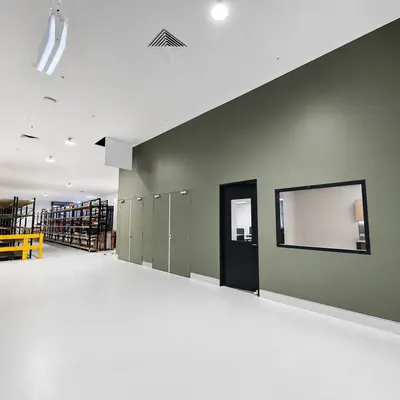
(469) 555-0172When a warehouse or showroom floor needs an upgrade, the choice usually comes down to two options: a full epoxy coating system or grinding, densifying and sealing the existing concrete. Both work well in the right building, and both fail when they are chosen for the wrong one.

Floors

7 min read


Frisco, TX
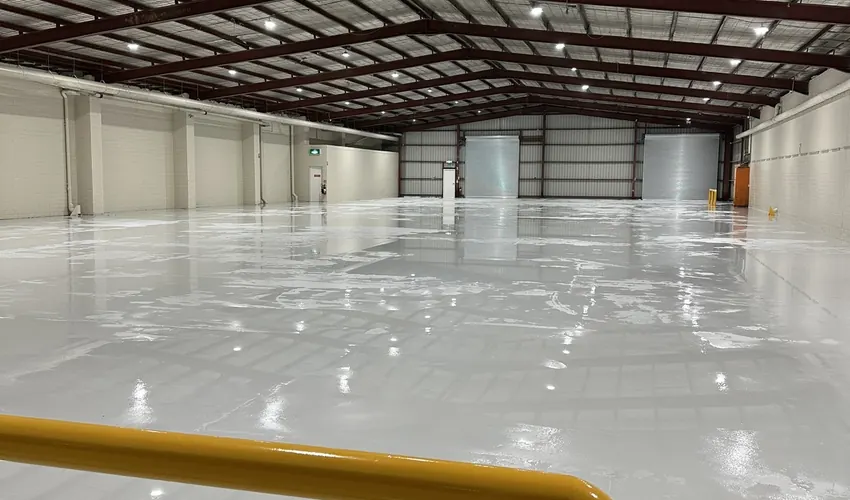
An epoxy floor is a coating: two or three coats of 100% solids or high-solids epoxy, usually with a urethane or polyaspartic topcoat, applied over a diamond-ground slab. It creates a seamless, colored, chemical-resistant surface that is easy to clean and can include safety striping and zone colors in the coating itself.
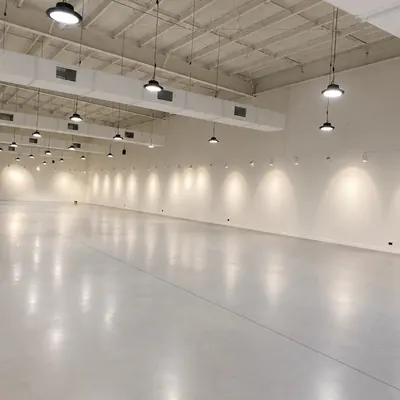
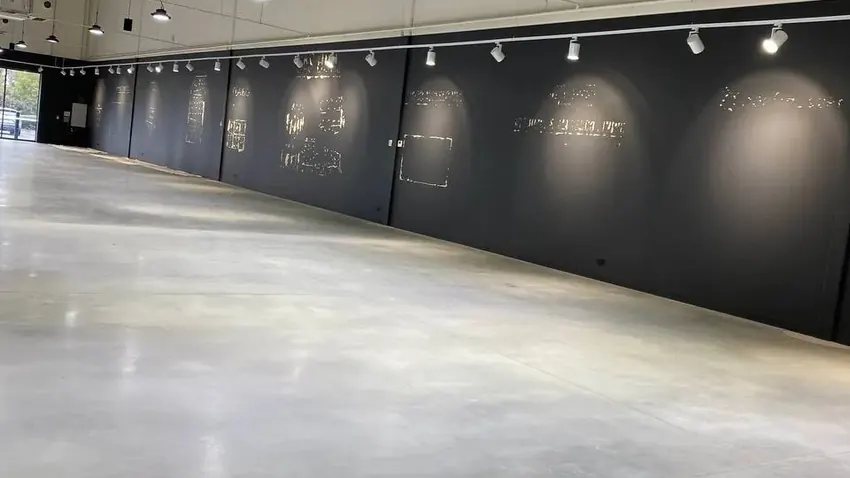
Sealed concrete keeps the slab as the wearing surface. The floor is ground, treated with a densifier that hardens the top layer, and finished with a penetrating or topical sealer. The result is a dust-proofed, light-reflecting floor that shows the character of the concrete, including its joints, patches and color variation.

A coating is only as good as the slab preparation underneath it, so the grinding day matters more than the color.
Floor coating lead, Tollway Commercial Coatings
Cost is usually the first question. Densified and sealed concrete costs less per square foot and goes down faster. An epoxy system costs more because of the material and the extra coats, but it covers stains, old patches and mismatched concrete that a sealer will not hide.
Choose epoxy when the floor sees chemicals, oils or washdowns, when you need defined color zones and striping, in food, pharma and light manufacturing areas, and when the existing slab looks rough. Choose sealed concrete for large distribution floors with mostly dry traffic, for showrooms where a natural concrete look fits the design, and when the budget or schedule is tight.
Moisture is the hidden factor. North Texas slabs on grade without a good vapor barrier can push moisture up through the concrete and lift an epoxy coating. We test before quoting, and if the readings are high we recommend a moisture-mitigating primer or a sealer system instead.
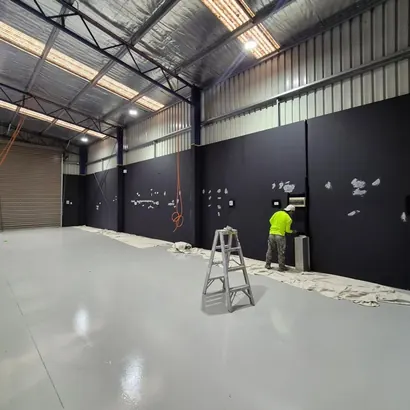
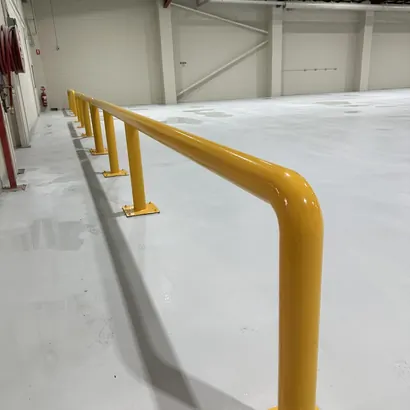
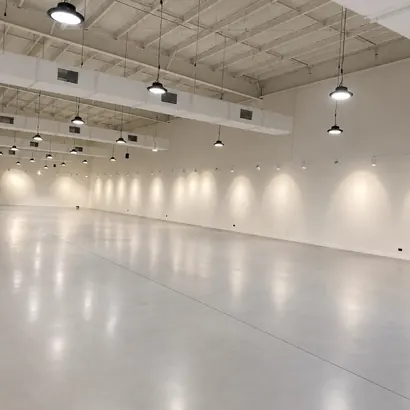
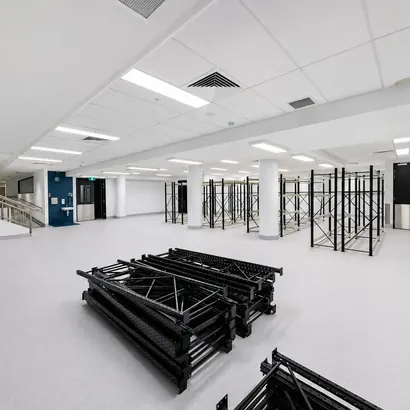
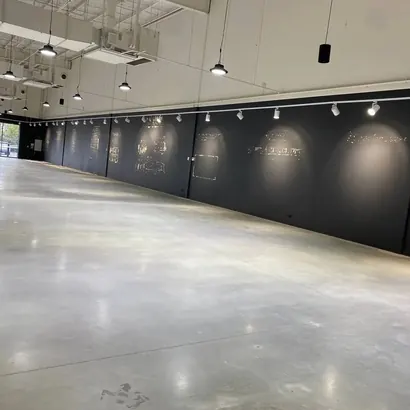
A sealed floor can usually be back in light use the next day. Epoxy systems need more cure time: most take foot traffic after about 24 hours and forklifts after three to seven days, depending on the product and temperature. Fast-cure polyaspartic topcoats shorten that window when the building cannot be out of service for long.
In occupied warehouses we install either system in sections, so racking, shipping and production can continue in the rest of the building.
Not sure which floor fits your space? We test the slab, look at how the area is used and give you prices for both options in one proposal. Request a free estimate or call (469) 555-0172.
OUR WORK